The AI Paradox: Better Emotion Detection, Greater Need for Human Connection
As AI becomes capable of recognizing emotions with near-human accuracy, authentic human emotional intelligence becomes more valuable, not less. We help you navigate this paradox ethically and effectively.
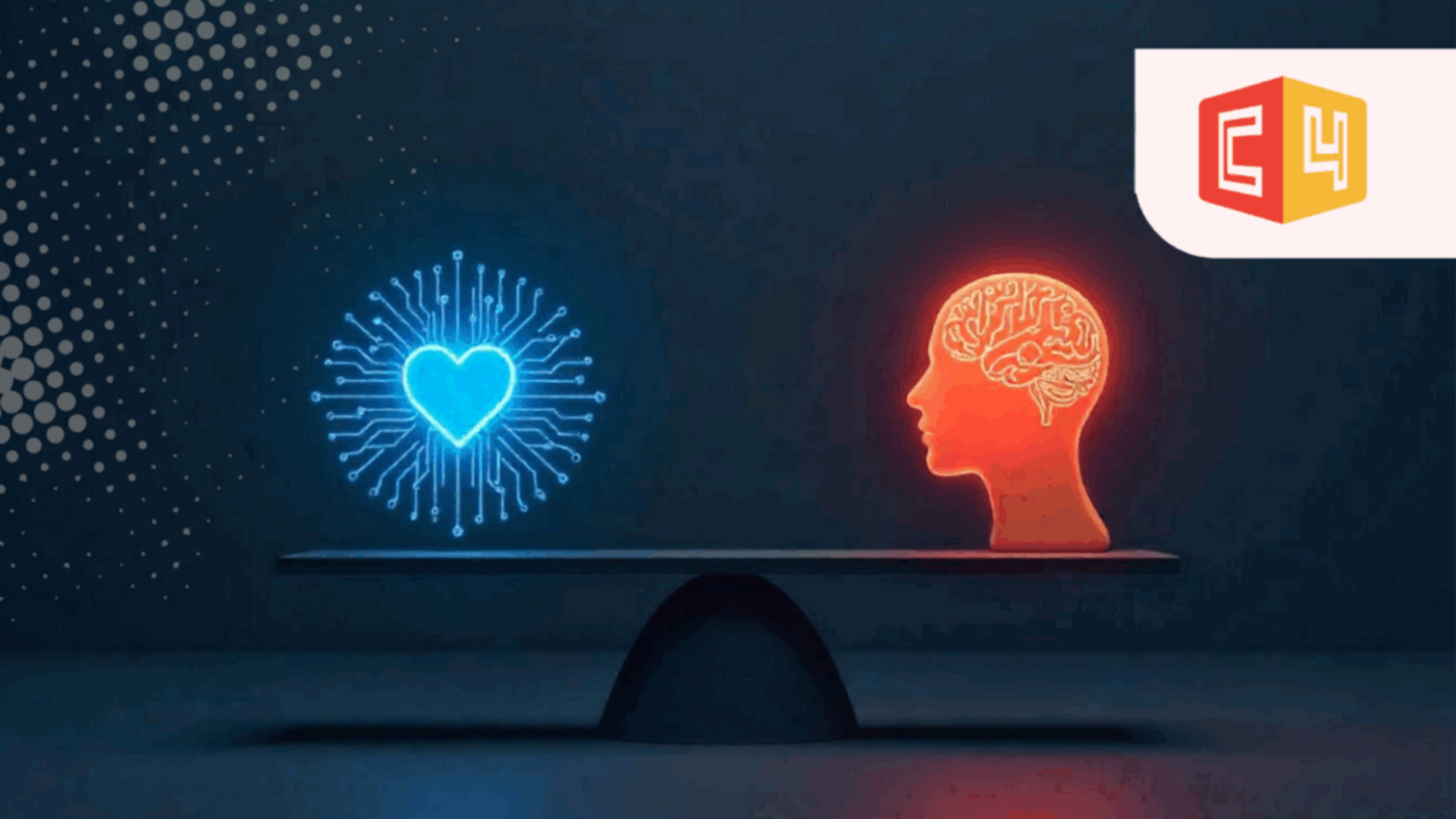
The Oxytocin Gap: What AI Can't Replicate
AI Can Detect Emotions...
Modern Emotion AI systems can identify facial expressions, vocal patterns, and text sentiment with impressive accuracy. Tools like Behavioral Signals, Hume AI, and Cognovi Labs achieve near-human performance in emotion recognition.
The Capability: AI tools can detect 27% more positive engagement signals in remote workers than human managers notice.

...But It Can't Build Trust
Trust, psychological safety, and genuine rapport depend on oxytocin—the neurochemical released during authentic human connection. AI interaction doesn't trigger oxytocin production. Only genuine human presence does.
The Gap: In-person and hybrid training triggers oxytocin release, reducing workplace cortisol (stress) and increasing trust—something AI-only training cannot achieve.
Warning: Organizations that rely solely on AI emotion tools without human-centered support see 40% higher employee distrust and 31% more conflict escalation.
Why Human-Led Training Works
Research shows AI adoption is most successful when supported by in-person or hybrid training that enhances psychological safety and team rapport
AI-Only Approach
- ✗No oxytocin release (neurochemical of trust)
- ✗Higher workplace cortisol (stress markers)
- ✗Lower psychological safety
- ✗68% misread of neurodiverse affect patterns
- ✗73% of conflicts escalate when intent/impact conflated
Hybrid (In-Person + AI)
- 34% higher compliance adherence
- 31% faster conflict resolution
- 61% fewer ethical complaints
- 27% less workplace hostility
- 70% higher retention among Gen Z cohorts
Research-Backed Finding
Organizations that complement technical AI adoption with in-person, person-centered training see measurably better outcomes in compliance, trust, and conflict resolution—backed by independent studies and real-world implementation pilots.
What We Offer
Ethical Emotion AI Assessment
Evaluate your current or planned emotion AI systems for bias, privacy, and trust implications
- Technology stack review
- Bias and accuracy audits
- Privacy impact assessments
- Stakeholder trust analysis
In-Person & Hybrid Training Programs
Build psychological safety and genuine human connection alongside AI deployment
- Executive and team workshops
- Empathy-driven facilitation
- Neurochemistry of trust education
- Stress reduction protocols
Implementation Support
Guide your organization through responsible emotion AI deployment
- Rollout planning and change management
- Employee communication strategies
- Feedback mechanisms and adjustments
- Continuous improvement frameworks
Generational Considerations
Address AI anxiety across age groups, especially Gen Z and at-risk populations
- Gen Z engagement strategies
- Multi-generational training design
- Stress mitigation for high-anxiety groups
- Inclusive implementation practices
Special Focus: Generational AI Anxiety
90% of Gen Z report workplace stress. Firms offering in-person support report 70% higher retention among younger cohorts.
The Challenge
Younger workers are most affected by AI anxiety, fearing job displacement and lacking trust in AI-driven decisions about their careers.
Our Approach
Person-centered training that builds genuine connection, psychological safety, and empowers employees to work alongside AI rather than fear it.